Mad Honey Finder Mad Honey Finder Learn ← Back to Mad Honey Finder
Education Medically Reviewed 7 min read

Red honey: why mad honey is red, and what the color means

Mad Honey Finder Editorial

Editorial · Editorial team

Quick Answer

Quick answer: Red honey: why mad honey is red, and what the color means

Red honey is the visual name for mad honey — a honey whose deep amber-to-crimson color comes from high rhododendron nectar content. The red pigment is a blend of flavonoid and anthocyanin-adjacent compounds transferred from the rhododendron flower into the nectar and then into the honey. Red color correlates positively with grayanotoxin concentration: the darker and redder the honey, the higher the typical potency. The two biggest red-honey origins are Nepalese cliff honey and Turkish Pontic deli bal.

Medically reviewed by Mad Honey Finder Editorial Updated 2026-04-19
The Full Read

What makes red honey red?

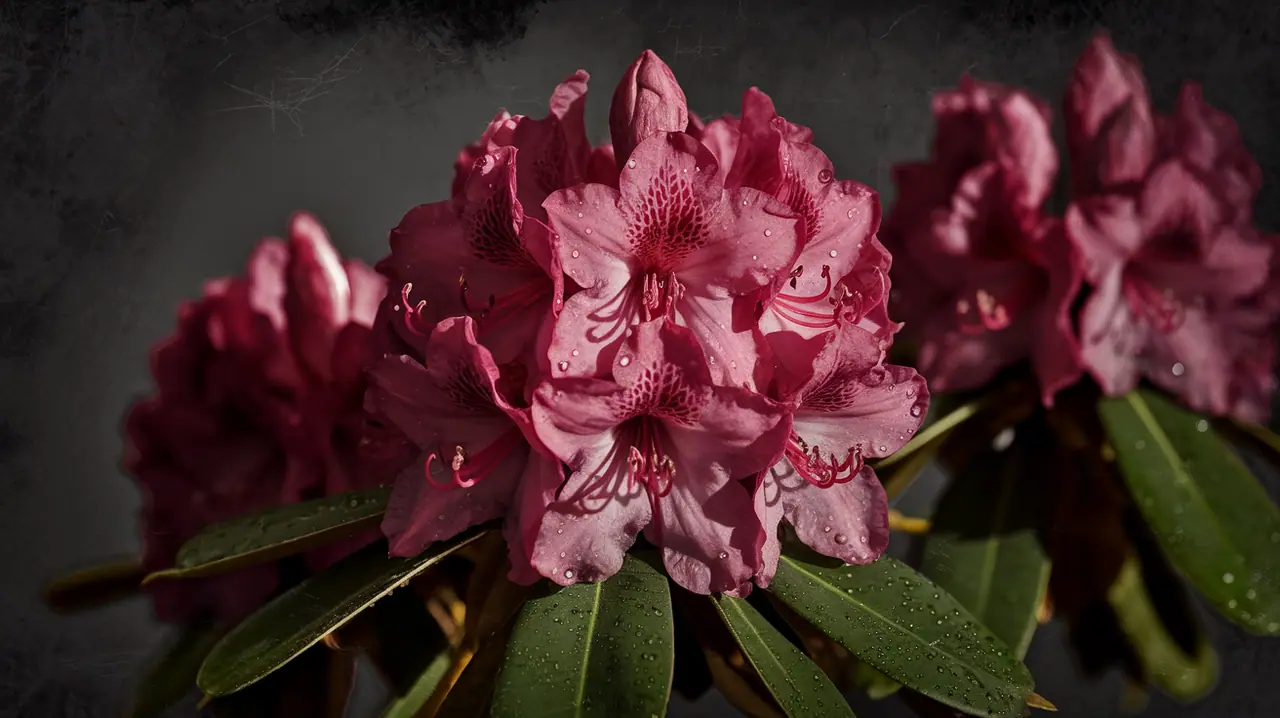
Authentic mad honey has a distinctive dark amber to reddish color that ordinary wildflower or clover honey does not. The color comes directly from the rhododendron flower's nectar. Rhododendrons — especially R. arboreum in Nepal (whose flowers are a deep crimson that gave the tree its Nepali name Lali Gurans, "red rhododendron") and R. ponticum in Turkey — produce flowers rich in flavonoid pigments. When bees harvest nectar, those pigments transfer along with sugars and grayanotoxins. The resulting honey inherits both the color and the bioactivity.

Color intensity is a reasonable proxy for rhododendron nectar content, which in turn correlates with grayanotoxin concentration. Pollen analyses of deep-red Nepalese harvest batches routinely show 70–90% rhododendron pollen; lighter honey from the same region often shows 30–50%. For a buyer, this is one of the few quick visual signals available before lab testing.

How red is real red honey?

The spectrum runs roughly from dark amber to reddish-mahogany. Holding authentic Nepalese mad honey up to a white background, you should see:

  • High-potency spring harvest: deep reddish-brown, almost burgundy against white
  • Standard Nepalese: dark amber with red undertones
  • Standard Turkish deli bal: amber with a golden-red cast
  • Light Turkish or mixed-origin: medium amber, muted red

Authentic mad honey is never light golden. Light golden honey marketed as "red honey" or "Himalayan red honey" is almost always either a wildflower honey that has been labeled creatively, a heavily diluted product, or an outright counterfeit. See our real-vs-fake authentication guide for the full set of visual, aroma, taste, and documentation signals.

Himalayan red honey vs Turkish red honey

Both are called "red honey" in different markets, but they differ systematically:

  • Himalayan red honey (Nepal, Bhutan, Uttarakhand). Sourced from Apis laboriosa wild cliff colonies. Deeper red, higher potency (grayanotoxin I dominant), more complex floral profile with a characteristic bitter medicinal finish. Price premium reflects cliff-harvest labor and lower supply.
  • Turkish red honey (deli bal). Sourced from managed Apis mellifera caucasica hives on the Pontic coast. Softer red, milder potency (grayanotoxin III dominant), smoother honey texture without the bitter finish. Larger commercial supply and lower per-gram price.

See our Nepal origin guide and Turkey origin guide for the full sourcing, harvest, and potency differences.

Does red honey crystallize?

Eventually, yes — but slowly. Authentic mad honey's high fructose-to-glucose ratio delays crystallization compared with most commercial honey. A quality red honey jar held at room temperature will often remain liquid for 12–24 months before beginning to crystallize. Rapid crystallization within a few months usually indicates a mixed-origin or diluted product.

Can the red color be faked?

Yes, and it is — which is why color alone is not sufficient authentication. Common adulterations include:

  • Adding caramel or burnt sugar to ordinary honey to darken it
  • Blending wildflower honey with small amounts of rhododendron honey for color transfer
  • Heat-treating honey to induce Maillard-browning

None of these produce grayanotoxin. A brand publishing batch-level grayanotoxin lab tests is the single strongest counterfeit guard. Our brand index filters sellers on exactly that criterion.

Bottom line

Red honey is the visually identifiable subset of honey that actually contains meaningful grayanotoxin — mad honey, by another name. The redder and darker the honey, the more likely it is the real thing. But color is necessary, not sufficient. Always pair the visual check with published lab testing and a reputable origin declaration.

Frequently Asked Questions

What is red honey? +
Red honey is a common name for mad honey — a dark amber to reddish honey produced when bees forage on rhododendron flowers. The red color comes from rhododendron flower pigments and correlates with grayanotoxin content. Its traditional names include deli bal (Turkish), Himalayan red honey (Nepalese), and hallucinogenic honey.
Is red honey the same as mad honey? +
Yes — "red honey" and "mad honey" usually refer to the same product. "Red honey" is a descriptive market name used in Turkey and parts of Nepal; "mad honey" is the common English name. Both describe rhododendron-sourced honey containing grayanotoxins.
Why is Himalayan honey red? +
Because it comes from bees foraging on Rhododendron arboreum — the national flower of Nepal, whose deep crimson blossoms transfer flavonoid pigments into the honey alongside the nectar and grayanotoxins.
Does red honey get you high? +
At sufficient doses, yes — red honey contains grayanotoxin, which produces cardiovascular and sedative effects. But it is not a classical psychedelic. See our hallucinogenic honey pillar for the full pharmacology.
Is all red honey mad honey? +
No. Some honeys (buckwheat, chestnut, dark wildflower varietals) are naturally dark without containing grayanotoxin. Always verify a "red honey" product with published lab testing before assuming it is mad honey.
How can I tell if red honey is authentic? +
Look for four signals: dark amber-to-reddish color, slow crystallization, bitter medicinal finish, and — most importantly — published batch-level grayanotoxin lab tests from the seller. Our authentication guide covers the full checklist.